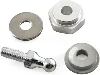
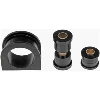
Mold ejector pins typically need replacement between one and three years, but the exact replacement time depends on many factors, including the pin's material, size, operating environment, and maintenance. Therefore, it's impossible to give a precise replacement time. Regular inspection and replacement are recommended based on actual conditions.
Mold ejector pins are critical components in the mold, directly involved in the molding process. So, how often should mold ejector pins be replaced? There's no fixed answer to this question, as the replacement cycle is influenced by many factors.
Factors Affecting the Replacement Cycle
1. Material and Size: The material and size of the mold ejector pin have a direct impact on its service life. Generally speaking, high-quality materials and appropriate design dimensions can extend the lifespan of the ejector pin.
2. Operating Environment: The operating environment of the mold ejector pin is also a significant factor. Excessive impurities in the environment can enter the ejector pin's inner tube, causing damage. Furthermore, environmental factors such as temperature, humidity, and pH can also corrode the ejector pin, shortening its lifespan.
3. Maintenance: Mold maintenance is equally important. Regular cleaning and inspection of the ejector pin, identifying and resolving any problems promptly, can extend its service life.
Replacement Cycle Recommendations
While it's impossible to give an exact replacement cycle, industry experience suggests that mold ejector pins typically need replacement between one and three years. We recommend regularly inspecting the condition of the ejector pins based on actual usage. If severe wear or other problems are observed, they should be replaced promptly.
Proper use and maintenance are also crucial. Users should follow operating procedures to avoid damage to the ejector pins caused by improper use. Additionally, regularly clean and inspect the mold to ensure the ejector pins are operating in good working order.